
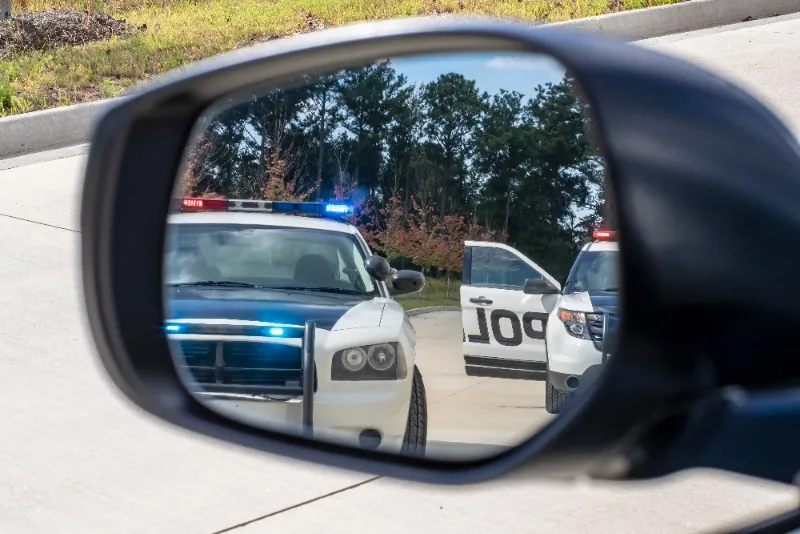
Receiving a criminal citation can feel alarming especially if you’ve never dealt with law enforcement before. As a Nebraska criminal defense attorney with over 15 years of experience in county and district courts across Omaha and the surrounding area, I’ve helped many clients navigate the citation process, understand what it actually means for their record, and protect themselves from consequences they didn’t see coming. This guide explains how criminal citations work in Nebraska, what happens in court, and what decisions you make in the next few days that matter most. Please don’t hesitate to contact our criminal defence lawyer or call us today.
Key Points
- A criminal citation is a formal accusation for a misdemeanor offense—not an arrest—but it still requires a court appearance and can impact your criminal record if it results in a conviction.
- Failing to handle a citation properly can lead to serious consequences, including an arrest warrant and potential jail time for missing court or ignoring the citation’s requirements.
- Working with a criminal defense attorney helps protect your record by identifying defenses, negotiating reduced penalties, and determining whether your citation can be sealed or dismissed under Nebraska law.
What Is a Criminal Citation?
A criminal citation is an official document that charges a person with a criminal offense without requiring immediate booking into jail. Instead of taking the person into custody, law enforcement issues a citation requiring the person to appear in court on a specified date. Failure to appear can result in additional legal consequences, including a warrant in many jurisdictions. Instead, you’ll be expected to appear in court on a specific date to address the accusation. The citation will include:
- The name and address of the person cited;
- A description of the offense; and
- Date, time, and location of the court appearance
According to Nebraska Revised Statute § 29-422, law enforcement can issue citations rather than arrest a person for certain minor offenses.
Does a Criminal Citation Go on Your Record?
A criminal citation can impact your criminal record, depending on the outcome of your court appearance. If you’re convicted of the cited offense, it may appear in your criminal history. This may impact your employment opportunities, housing options, and overall quality of life. Nebraska law allows some criminal records to be sealed after fulfilling court requirements, so it’s essential to understand your options early. Consulting a Nebraska defense attorney can help you keep your record clean or minimize any lasting effects.
Criminal Citation Examples
In Nebraska, criminal citations often involve minor misdemeanors, including:
- Public intoxication,
- Shoplifting under a certain value,
- Disorderly conduct,
- Trespassing, or
- Vandalism.
Although these may seem minor, they still require court appearances and fines and can affect your record.
Can You Go to Jail for a Criminal Citation?
While a criminal citation doesn’t typically mean jail right away, failing to appear in court or fulfill the citation’s requirements could lead to serious consequences. Ignoring your legal obligations might result in an arrest warrant and possible jail time. You can avoid these severe outcomes by handling the citation responsibly and consulting an attorney.
Criminal Citation vs. Ticket: Key Differences
A citation and a traffic ticket mean the same thing in legal and practical terms. Law enforcement uses “citation” as the formal term, while “ticket” is the common term. Both notify drivers of a traffic violation, require payment or a court appearance, and can result in fines or points on a driving record.
A criminal citation accuses you of a misdemeanor offense and often requires a court appearance. Conversely, a ticket typically covers minor traffic infractions or other non-criminal violations that can be resolved by paying a fine.
The difference between a criminal citation and a ticket lies in the offense type; tickets usually do not demand a court appearance and do not appear on a criminal record. On the other hand, a criminal citation is issued for a criminal offense. It often requires a court appearance, with possible consequences beyond fines.
Take Control of Your Case with Petersen Criminal Defense Law
A criminal citation doesn’t have to affect your future forever. With over 30 years of experience, Petersen Criminal Defense Law is here to guide you through Nebraska’s legal process, protecting your rights at every step. Contact us today to see how we can help you handle your citation and confidently move forward.
FAQs
What is my first step if I receive a criminal citation in Nebraska?
Read the citation carefully and note the court date at the bottom. Do not miss that date failure to appear can result in an arrest warrant being issued the same day and an additional misdemeanor charge under Neb. Rev. Stat. § 29-426. Contact a Nebraska criminal defense attorney before your court date, even if you think the offense is minor. Many citation cases can be resolved with a reduced charge or dismissal if handled correctly from the start.
Can I Fight a Criminal Citation in Court?
You have the right to plead not guilty at arraignment and have your case heard by a judge or jury. An attorney can examine whether the officer had proper grounds to issue the citation, whether the facts support the charge, and whether any procedural errors occurred. Even if you did commit the underlying act, a defense attorney may be able to negotiate a lesser charge that keeps the offense off your criminal record.
Could a Criminal Citation Show up on Background Checks?
Only if it results in a conviction. If the case is dismissed, you are found not guilty, or you complete a deferred judgment program, the conviction does not appear. However, if you are convicted, the record will show on background checks and in Nebraska, a set-aside under Neb. Rev. Stat. § 29-2264 reduces some consequences but does not remove the conviction from public view. Employers, landlords, and licensing boards can still see it.
Can I Negotiate the Penalties Associated with a Criminal Citation?
In many cases, yes. Prosecutors in Douglas County, Sarpy County, and other Nebraska jurisdictions often have discretion to offer plea agreements, deferred judgments, or diversion programs — particularly for first-time offenders. A deferred judgment is especially valuable because it allows you to complete a probationary period and have the case dismissed, leaving no conviction on your record. Whether these options are available depends on the specific offense, your history, and how the case is presented by your attorney.
What does “citation in lieu of arrest” mean?
It is the declared policy of the State of Nebraska to issue citations in lieu of arrest to the maximum extent consistent with effective enforcement of the law and the protection of the public. In plain terms, it means the officer chose to issue you a formal notice to appear in court rather than physically arrest you. You are still being charged with a crime — you just were not taken to jail that day. The legal process that follows is the same as if you had been arrested.
What happens if I just pay the fine on a criminal citation?
Paying the fine is treated as a guilty plea and results in a criminal conviction on your record. Many people assume paying is the easiest way to make the problem go away and it is, in the short term. But the long-term consequences of a conviction (background checks, licensing, employment) often outweigh the immediate inconvenience of going to court. Before paying any fine on a criminal citation, speak with an attorney about whether a better outcome is possible.
Does a criminal citation affect a professional license in Nebraska?
It can. Healthcare licensing boards in Nebraska including those overseeing nursing, medicine, and other professions are required to conduct criminal background checks. As of 2024, licensing agencies may not consider non-conviction records, non-violent misdemeanor convictions, convictions that have been set aside or pardoned, and felonies and violent misdemeanors more than three years in the past but certain serious convictions can still affect your ability to obtain or renew a license. If you hold or are pursuing a professional license, protecting your criminal record from a conviction is especially important.
Resources:
- Additional Information: Misdemeanor Cases in Nebraska. Nebraska Judicial Branch, link
- Criminal Justice Process in Nebraska. Nebraska Judicial Branch, link
- What Is The Difference Between Receiving A Citation And Being Arrested? University of Nebraska- Lincoln, link

Attorney Petersen was invited to join the National Advocacy for DUI Defense (NAFDD) organization in 2013. NAFDD vets thousands of lawyers and only chooses those who have achieved stellar results in DUI defense cases. Attorney Petersen was named one of the Top 50 defense attorneys in Nebraska out of more than 5,000.